
LED Lighting: The Key to Major Energy Savings
LED Lighting: The Key to Major Energy Savings in an era where sustainability and efficiency are becoming paramount, LED lighting energy savings has become a focal point for homeowners, businesses, and industries alike. As the world continues to embrace eco-friendly technologies, LED (Light Emitting Diode) lighting stands out as a game changer in the way we illuminate our spaces. Not only does it help cut energy consumption, but it also offers a wide array of benefits that contribute to a greener, more cost-effective future.
The Rise of LED Lighting
For decades, traditional incandescent and fluorescent bulbs dominated the lighting market. These old-school options, while functional, were far from energy-efficient. They consumed excessive amounts of electricity and had short lifespans, forcing consumers to frequently replace them. Enter LED lighting—an innovative and eco-friendly solution that has disrupted the conventional lighting industry.
LED lights have been gaining traction due to their numerous advantages over traditional lighting sources. Their energy efficiency, long lifespan, and reduced environmental impact make them the preferred choice for both residential and commercial applications. But what truly sets LED lighting energy savings apart from its competitors is the drastic reduction in energy consumption.
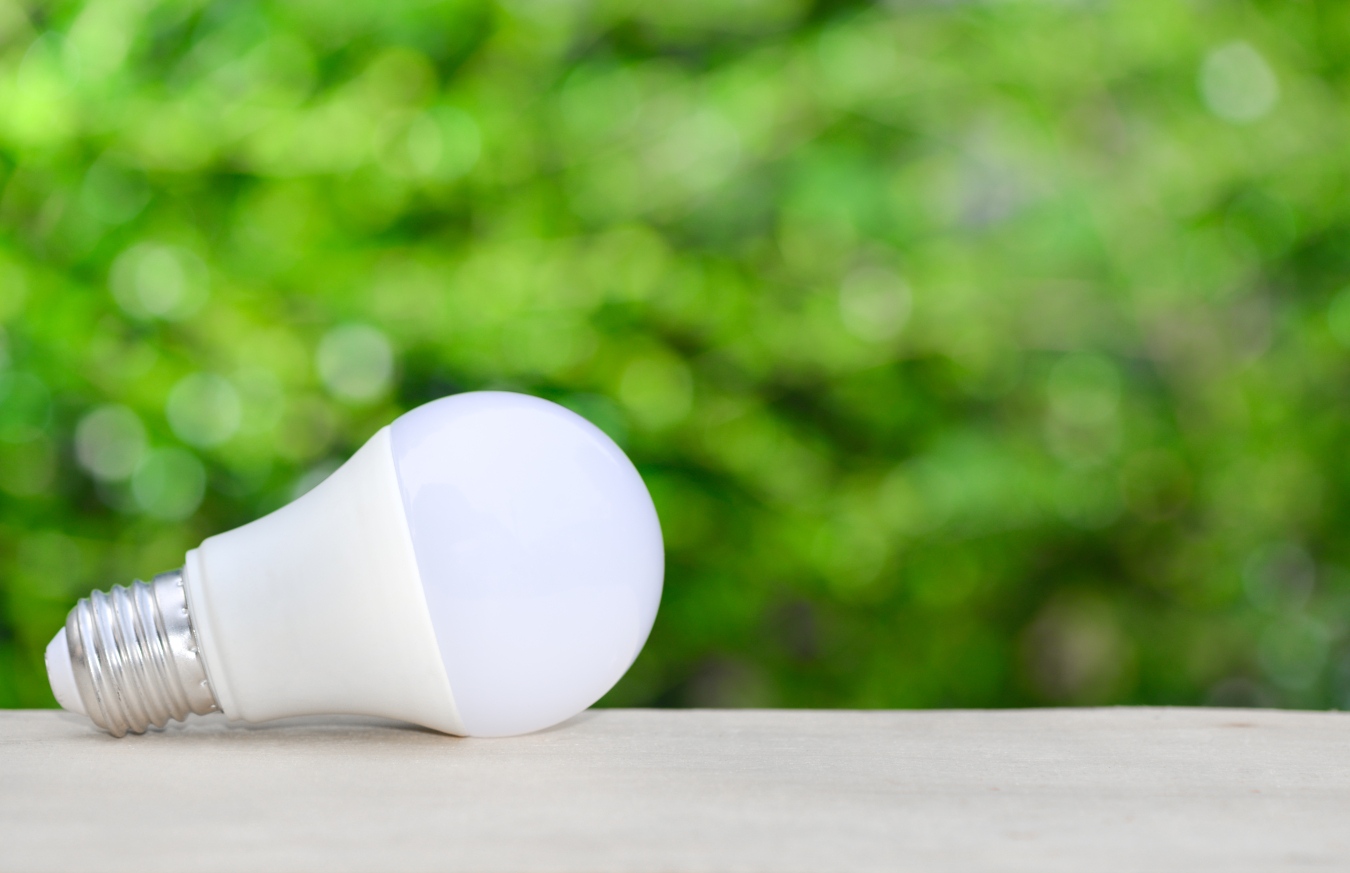
How LED Lighting Saves Energy
One of the primary reasons why LED lights are so effective at saving energy is their inherent design. Unlike incandescent bulbs, which rely on heating a filament to produce light, LED lighting energy savings stem from the way LEDs generate light through the movement of electrons in a semiconductor. This process produces very little heat and converts more energy into light, which results in greater efficiency.
LED lights typically use up to 80% less energy than traditional incandescent bulbs. For example, a 10-watt LED bulb can produce the same amount of light as a 60-watt incandescent bulb. This efficiency reduces the overall power demand, allowing users to enjoy well-lit spaces without the guilt of high energy consumption. The reduction in energy use not only lowers electricity bills but also minimizes the environmental impact of energy production.
Moreover, LED lighting has a longer lifespan compared to other types of lighting. An LED bulb can last anywhere from 15,000 to 50,000 hours, depending on the quality and usage. This longevity means fewer replacements, less waste, and fewer resources needed for production—further enhancing the LED lighting energy savings.
Environmental Benefits of LED Lighting
As the world grapples with climate change and the need for sustainable practices, LED lighting energy savings can play a significant role in reducing carbon footprints. Traditional lighting systems, such as incandescent and fluorescent bulbs, require more energy to produce light, which in turn leads to higher carbon emissions from power plants.
On the other hand, LED lights consume less power, which translates to a decrease in the demand for electricity. The reduction in electricity use means fewer greenhouse gases are emitted into the atmosphere. In fact, it is estimated that if every household in the United States replaced just one traditional bulb with an LED, the energy savings would be enough to power more than 3 million homes for a year and cut greenhouse gas emissions by 9 billion pounds.
Another environmental benefit is that LED lights do not contain harmful substances such as mercury, which is commonly found in fluorescent lights. This makes them safer to use and dispose of, further contributing to their eco-friendly reputation.
Cost Savings: A Major Benefit
Switching to LED lighting is not just about helping the planet—it’s also about saving money. Although the upfront cost of LED bulbs may be higher than traditional incandescent or compact fluorescent lamps (CFLs), the long-term savings are significant. The lower energy consumption translates into reduced electricity bills, which can add up over time.
For example, if you replace a standard 60-watt incandescent bulb with a 10-watt LED, you could save up to $55 over the lifetime of the bulb. Multiply that by the number of bulbs in your home or business, and the savings can be substantial. Additionally, because LED bulbs last much longer, you won’t have to spend money replacing them frequently, making them a more cost-effective option in the long run.
In commercial settings, such as offices, factories, and warehouses, the financial benefits of LED lighting energy savings are even more pronounced. Businesses that switch to LED lighting can experience up to a 50% reduction in energy costs, significantly impacting their bottom line.
The Versatility of LED Lighting
While energy savings are the primary driver behind the adoption of LED lighting, their versatility adds another layer of appeal. LED technology allows for greater customization in terms of light color, intensity, and functionality. Whether it’s creating a cozy atmosphere at home or providing bright, focused lighting for a work environment, LEDs can cater to every need.
Modern LED lights also offer dimming capabilities, which further enhances their energy-saving potential. Dimming the lights when full brightness isn’t needed helps reduce energy consumption even more. Additionally, LED lights can be integrated into smart home systems, allowing users to control their lighting remotely, set timers, and even adjust settings based on occupancy or time of day.
The ability to change the color of LED lights adds an exciting dimension to home and business décor. Whether you want to set a warm, relaxing ambiance or a vibrant, dynamic atmosphere, LED lighting can help you achieve the desired effect without compromising on energy efficiency. With the rise of smart LED lights, you can now control your lighting through voice commands or mobile apps, giving you complete control over your environment.
LED Lighting and Smart Technology
One of the most exciting developments in the lighting industry is the integration of LED lighting with smart home technology. Smart lighting systems, which combine LED lighting energy savings with automation, offer an unprecedented level of convenience and control. These systems allow users to adjust their lighting based on various factors, such as time of day, occupancy, or activity.
Smart LED lights can be programmed to turn on and off at specific times, dim automatically as daylight fades, or brighten when someone enters a room. The ability to control lights remotely through apps or voice assistants like Amazon Alexa or Google Assistant adds an extra layer of convenience.
The combination of smart technology and energy-efficient LED lights means you can further optimize your energy usage. For instance, you can set up schedules so that your lights are only on when you need them, preventing wasted energy. Some smart lighting systems even have sensors that detect motion, automatically turning off lights when no one is in the room, further contributing to LED lighting energy savings.
The Future of LED Lighting
As technology continues to evolve, the future of LED lighting looks brighter than ever. Innovations in materials and design will further improve the energy efficiency and functionality of LED lights. Already, researchers are developing LEDs that use even less energy, last even longer, and emit light with more natural color qualities. With these advancements, LED lighting energy savings will continue to improve, making it an even more attractive option for both residential and commercial users.
The integration of LED lighting with other emerging technologies, such as the Internet of Things (IoT), will open up new possibilities for energy-efficient, smart environments. The growing trend of “smart cities” will rely heavily on energy-efficient lighting systems, with LEDs playing a crucial role in reducing urban energy consumption and improving sustainability.
In the quest for energy efficiency and environmental sustainability, LED lighting energy savings is one of the most impactful changes individuals and businesses can make. The combination of lower energy consumption, longer lifespans, and environmental benefits makes LED lighting a superior choice for those looking to save money, reduce their carbon footprint, and enjoy better lighting in their homes or workplaces.
From cost savings to environmental advantages and the integration of smart technologies, the benefits of LED lighting are clear. As the world moves toward more sustainable practices, LED lighting stands at the forefront of this transformation, offering an energy-efficient solution that illuminates the path to a brighter, more sustainable future.


